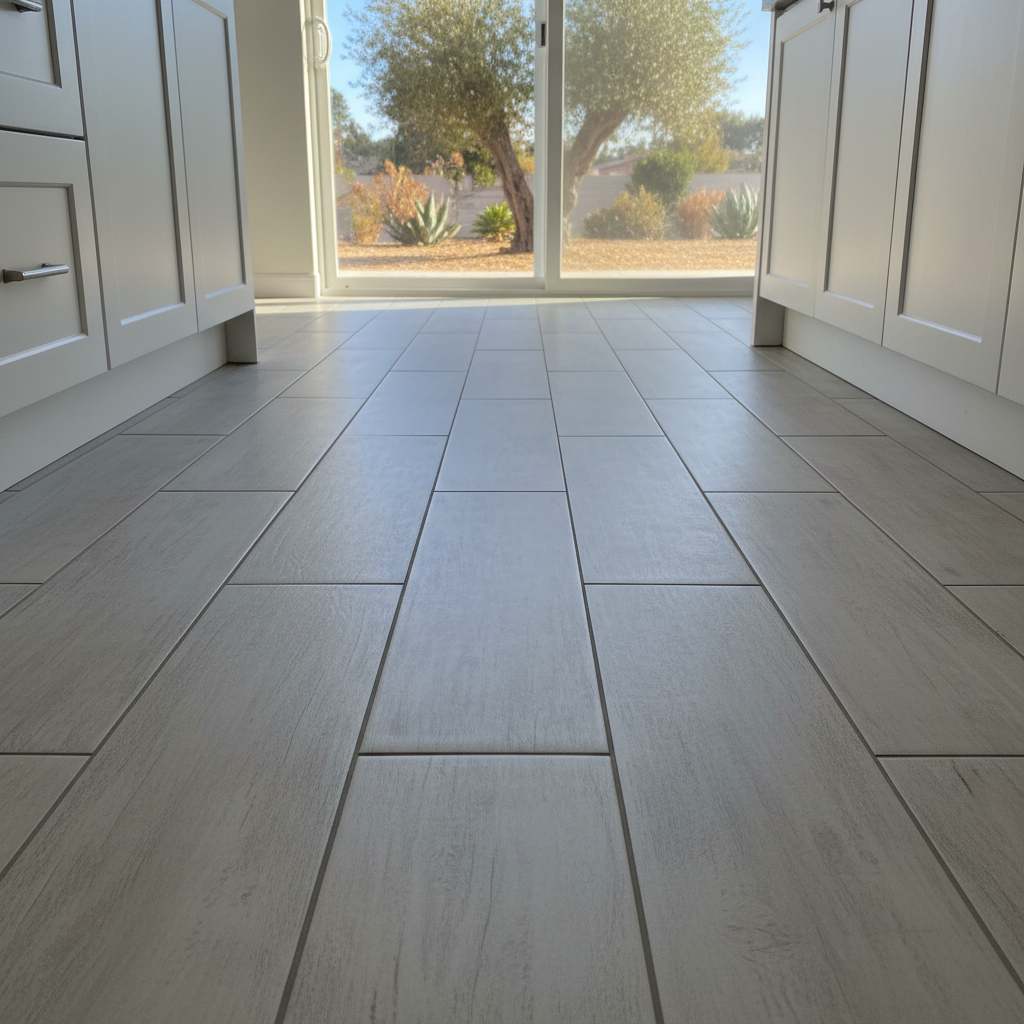
Alright, let's talk kitchen floors. It's not just about picking a pretty color, though that's definitely part of the fun. Your kitchen floor takes a serious beating, probably more than any other floor in your house. Think about it: spills, dropped pots, constant foot traffic – it all adds up. So, when you're looking to upgrade, you really need to consider durability, how easy it is to keep clean, and, of course, how it fits into your everyday life.
Before You Even Think About Tearing Anything Out
First things first, what's your budget? Be honest with yourself here. Flooring costs can swing wildly. You could get some decent vinyl plank for just a few bucks a square foot, or you could spend ten times that on really high-end tile. And don't forget to factor in installation costs if you're not planning to do it yourself, plus any prep work like subfloor repairs. That last one's a big deal people often miss.
Next, think about your lifestyle. Got kids and pets running around? Then you'll want something super tough and easy to clean. Hardwood looks fantastic, sure, but it can scratch and dent pretty easily. Laminate is tougher, but it really doesn't like standing water. Tile is solid as a rock, but the grout can be a pain to keep clean, and man, is it cold underfoot! Vinyl plank, especially the newer luxury vinyl plank (LVP), is a real contender these days. It's waterproof, incredibly durable, and looks surprisingly good, I've got to say.
Consider your subfloor, too. This is absolutely crucial. If you've got a concrete slab, like many homes in the Phillips Ranch area of Pomona, you'll have more options. If you're working with a wood subfloor, you need to make sure it's sound, perfectly level, and free of any moisture issues. Hearing squeaks or feeling soft spots? Those need fixing *before* any new flooring goes down, or you'll seriously regret it later.
What You Can DIY vs. When to Call a Pro
Okay, so you've picked your material. Now, can you actually do this yourself?
- Demo: Tearing out old flooring? Yeah, you can probably handle that. Just be ready for a lot of dust and sweat. Make sure you've got the right tools – pry bars, hammers, maybe a good scraper. And for older homes, if you even suspect asbestos in old vinyl or linoleum, stop right there and call a pro. That's not something you want to mess with.
- Subfloor Prep: This is where things get a bit trickier. If your subfloor is perfectly level and sound, you might be okay. But if it needs patching, leveling compound, or new plywood, it's usually best to let someone with experience take care of it. A bad subfloor means a bad-looking, short-lived new floor, plain and simple.
- LVP/Laminate Installation: Many homeowners successfully install these. They're often click-and-lock systems, designed with DIYers in mind. You'll need a good saw, a tapping block, spacers, and a healthy dose of patience. Watch a ton of videos, read those instructions carefully, and if you can, start in a less noticeable spot.
- Tile Installation: This is generally a pro job. Cutting tile perfectly, getting consistent grout lines, dealing with thinset, and making sure everything's level – it takes real skill and specialized tools. If you try to DIY tile and mess it up, it's a huge headache to fix later on.
- Hardwood Installation: Unless you're a seasoned DIYer with specific flooring experience, leave this to the pros. It's complex, requires specialized nailers or adhesives, and getting those seams tight and the floor perfectly flat is a tough task.
Look, I've seen plenty of DIY flooring jobs. Some turn out great. Others... well, let's just say those folks often end up calling Charis Kitchen Remodelers to fix it. If you're unsure, or if it's a really visible area, investing in a professional installation is usually worth it. It saves you time, frustration, and honestly, often money in the long run.
After the Floor is Down: Care and Maintenance
So, your beautiful new floor is in. Now what? Protect it!
- Clean regularly: Sweep or vacuum often to prevent grit from scratching the surface.
- Wipe spills immediately: Especially important for hardwood or laminate. Even waterproof LVP benefits from quick cleanups.
- Use furniture pads: Those little felt pads under chair legs and table feet are your absolute best friends. They prevent scratches and gouges.
- Follow manufacturer guidelines: Every flooring type has specific cleaning instructions. Don't use harsh chemicals on something that only calls for mild soap and water. You'll void your warranty and damage the finish, you know?
- Area rugs: Throw down some rugs in high-traffic areas, especially near the sink and stove. They'll catch spills and reduce wear.
A new kitchen floor can totally transform the look and feel of your home. Do your homework, be realistic about your skills, and don't be afraid to ask for help when you need it. You'll be enjoying your new kitchen for years to come.