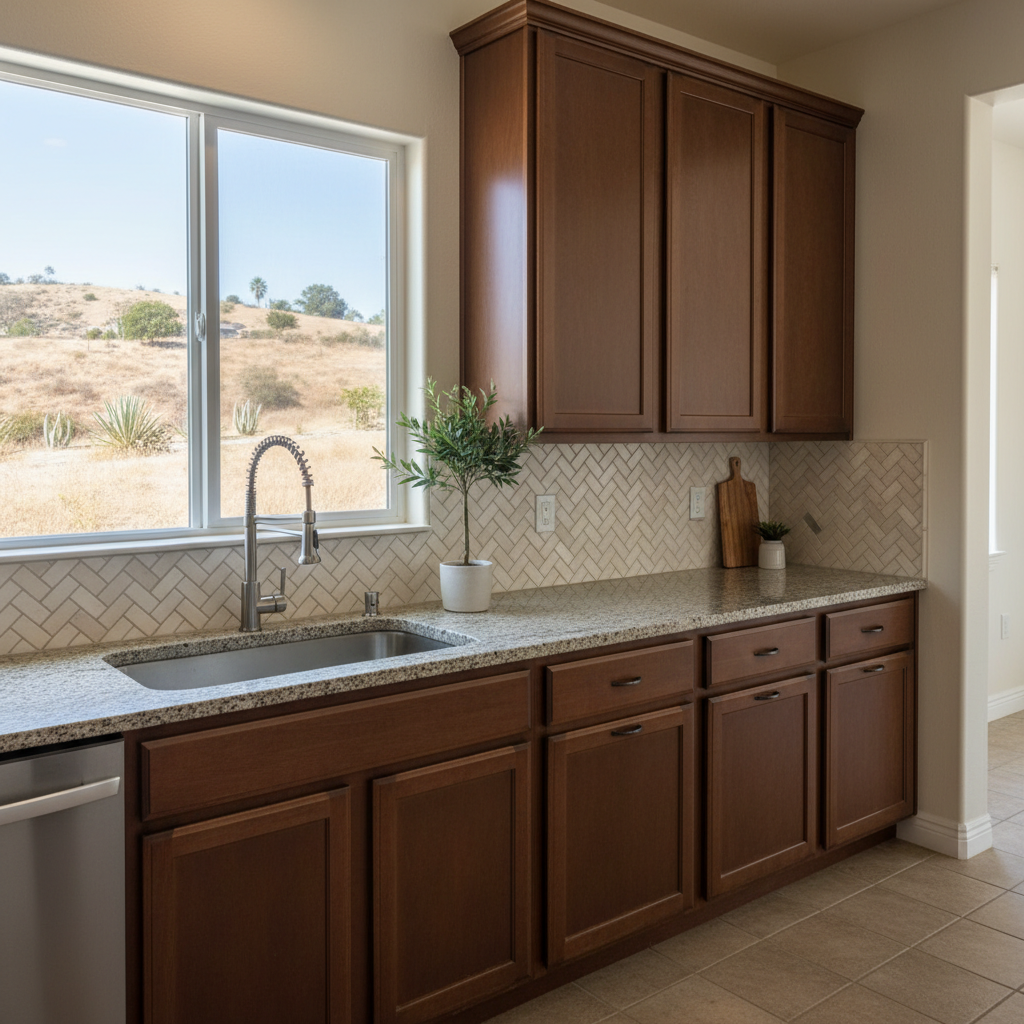
You're thinking about that new kitchen backsplash, aren't you? It's a fantastic way to spruce up your kitchen without a full-blown remodel, and honestly, it really ties the whole room together. But here in Pomona, with our unique climate, *when* you get that backsplash installed can actually make a pretty big difference. It's not just about when you're free; it's about giving that tile and grout the best possible chance to set up just right.
When's the Best Time to Schedule?
Look, you can install a backsplash pretty much any time of year, but some seasons are definitely better than others for optimal curing. What we're really talking about here are temperature and humidity. Tile adhesives and grouts are sensitive to both, you see. They need stable conditions to cure properly, which means they dry and harden to their full strength. If it's too hot, too cold, or too humid, that whole process gets messed up.
- Spring and Fall: These are your sweet spots, hands down. Think mild temperatures, usually somewhere between 60 and 80 degrees Fahrenheit, and lower humidity. The adhesive and grout can cure at a steady, predictable pace. This means a stronger bond and fewer headaches later on. We don't get those crazy heat waves or the damp, chilly mornings that can throw a wrench in things.
- Summer: Our Pomona summers get hot, *really* hot. We're talking 90s, sometimes over 100 degrees, especially in August and September. When it's scorching like that, materials can dry too fast. This might lead to cracking in the grout or a weaker bond for the tiles. If you're set on doing it in summer, we'll just need to be extra careful about keeping the work area cool and making sure the materials don't bake before they've had a chance to properly set. Air conditioning is your best friend here, running consistently.
- Winter: It doesn't get super cold here like in other places, but we do get some damp, cooler days, especially if rain rolls in from the coast. Cooler temperatures slow down curing, which isn't always bad. But if it gets too cold, or if there's too much moisture in the air, things can take forever to dry, and you risk issues with the bond. We're talking about those times when the Santa Ana winds aren't blowing and it's just kind of gray and damp.
How Weather Conditions Affect the Work
It's all about control, really. When we're putting up tiles, we're working with wet materials — thin-set mortar for the tiles and then grout to fill the gaps. These materials are designed to cure over a specific period. Extreme temperatures, whether hot or cold, mess with that timeline.
If it's too hot, the water in the thin-set or grout evaporates too quickly. We call this 'flash setting.' It means the material doesn't get enough time to form a strong crystalline structure. You end up with brittle grout or tiles that just aren't bonded as strongly as they should be. That's why, if we're working in the peak of summer, we might adjust our methods. Maybe we work in smaller sections, or even slightly wet the back of the tile if it's super dry.
On the flip side, if it's too cool or humid, the curing process slows down significantly. This isn't as catastrophic as flash setting, but it does mean you'll wait longer before you can use your kitchen normally. In extreme cases, it could even lead to mold growth if moisture gets trapped. It's rare here in Pomona, but I've seen it happen in older homes, especially in areas like the Lincoln Park neighborhood where ventilation might not be as good.
Protecting Your Investment Year-Round
Once your backsplash is in, you want it to last, right? Here's how to keep it looking good, no matter the season:
- Proper Ventilation: This is huge, especially in our climate. When you're cooking, boiling water, or running the dishwasher, always run your range hood or open a window. This gets rid of excess moisture and heat, which are real enemies of grout and sealants.
- Clean Regularly: Don't let grease and grime build up. Use a gentle, pH-neutral cleaner. Harsh chemicals can actually break down grout sealants over time.
- Seal Your Grout: This is probably the most important step for long-term protection. Grout is porous, meaning it can absorb moisture, stains, and even mold. A good quality grout sealer creates a barrier. I recommend resealing every 1-3 years, depending on how much you use your kitchen and the type of grout. It's a simple process you can do yourself, or we can take care of it for you. Think of it like sunscreen for your grout!
- Watch for Cracks: If you see any hairline cracks, especially around outlets or corners, address them quickly. Small cracks can let moisture in, leading to bigger problems down the road. Sometimes it's just the house settling, but it's always worth checking out.
Getting your backsplash installed right the first time means thinking about more than just the tile color, doesn't it? It means considering our local conditions. When you work with Charis Kitchen Remodelers, we factor all this in. We want your new backsplash to look fantastic and stand the test of time, giving you a kitchen you'll truly love for years to come.